
Jewellery Product Photography: Making Small Pieces Look Priceless Online
A customer deciding on a two-hundred-dollar dress sees it on a model, in motion, from four angles. A customer deciding on a two-thousand-dollar ring often sees… one dim photo taken on the counter. Jewellery carries the highest price-per-pixel of anything sold online, and yet it’s routinely photographed the worst — because it’s genuinely the hardest product category to shoot. This guide covers what makes it hard, the shot list every jeweller needs, and where the line sits between phone photos and the work that justifies premium prices.
What’s in this guide
- Why jewellery is the hardest product to photograph
- The five shots every piece needs
- Lighting: winning the war against reflections
- E-commerce standards: consistency sells the range
- Sparkle is movement: where video takes over
- What you can DIY — and what you shouldn’t
- Colour truth and the return-rate problem
- The two sessions that cover the year
- Frequently asked questions
Why jewellery is the hardest product to photograph
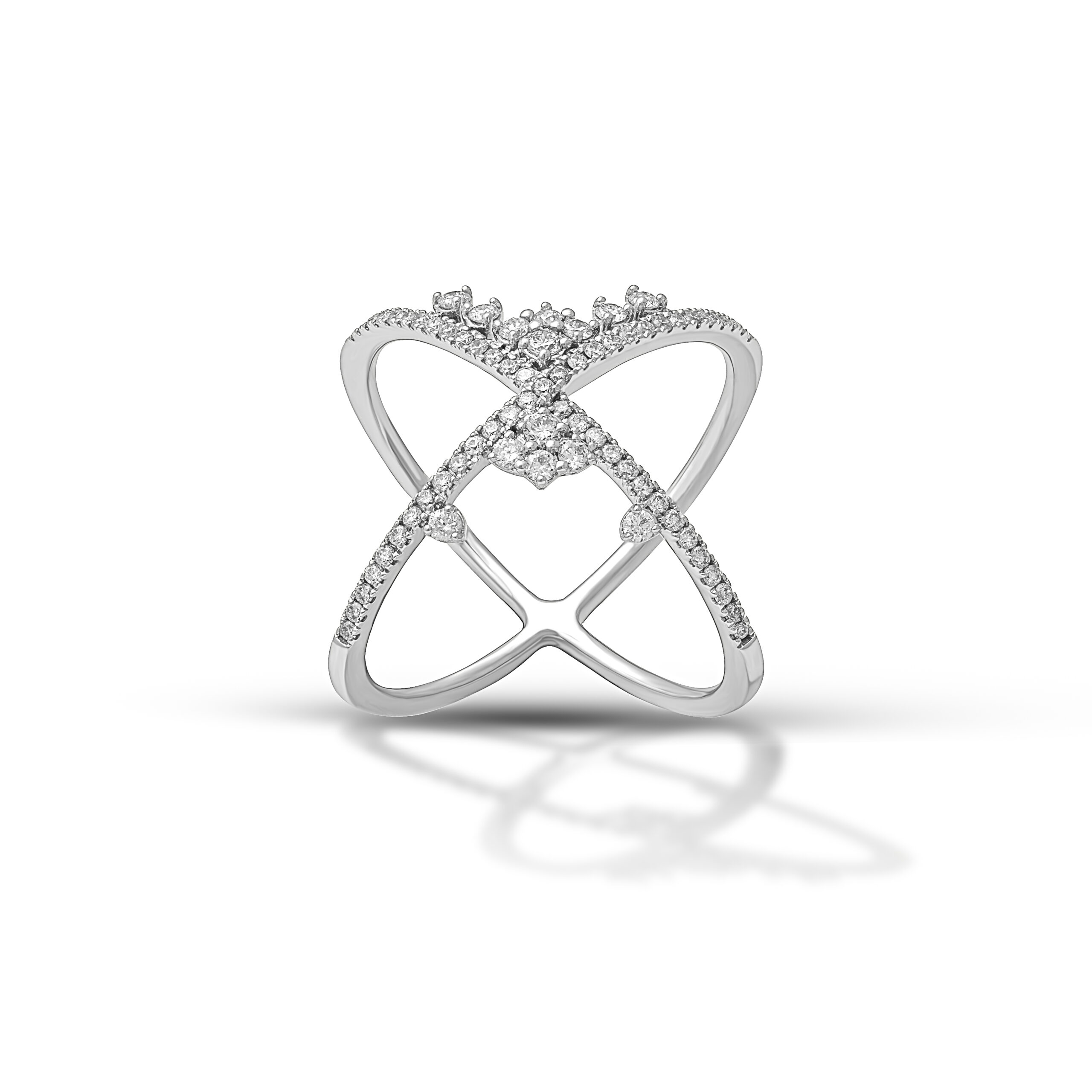
Two physics problems stack on top of each other. Scale: a ring is a few centimetres of intricate detail, so ordinary lenses simply can’t resolve the claw-work and stone facets that justify the price — macro glass and often focus-stacking are the entry ticket. Reflection: polished metal is a mirror, and an untamed mirror shows the camera, the window and the photographer’s shirt. Every professional jewellery setup is really an exercise in controlling what the metal is allowed to reflect — large soft gradients that read as “lustre” instead of chaos.
The five shots every piece needs
A working shot list beats a hundred random frames: the hero (three-quarter angle, the one the thumbnail uses), the top-down (shape and symmetry), the macro detail (setting, hallmark, stone — the trust shot), the scale shot (on hand or model, because “daintier than expected” is the most common jewellery return reason), and the styled scene for social and campaigns. Shot in that discipline, four pieces an hour is realistic; shot randomly, a whole afternoon produces nothing usable.
Lighting: winning the war against reflections
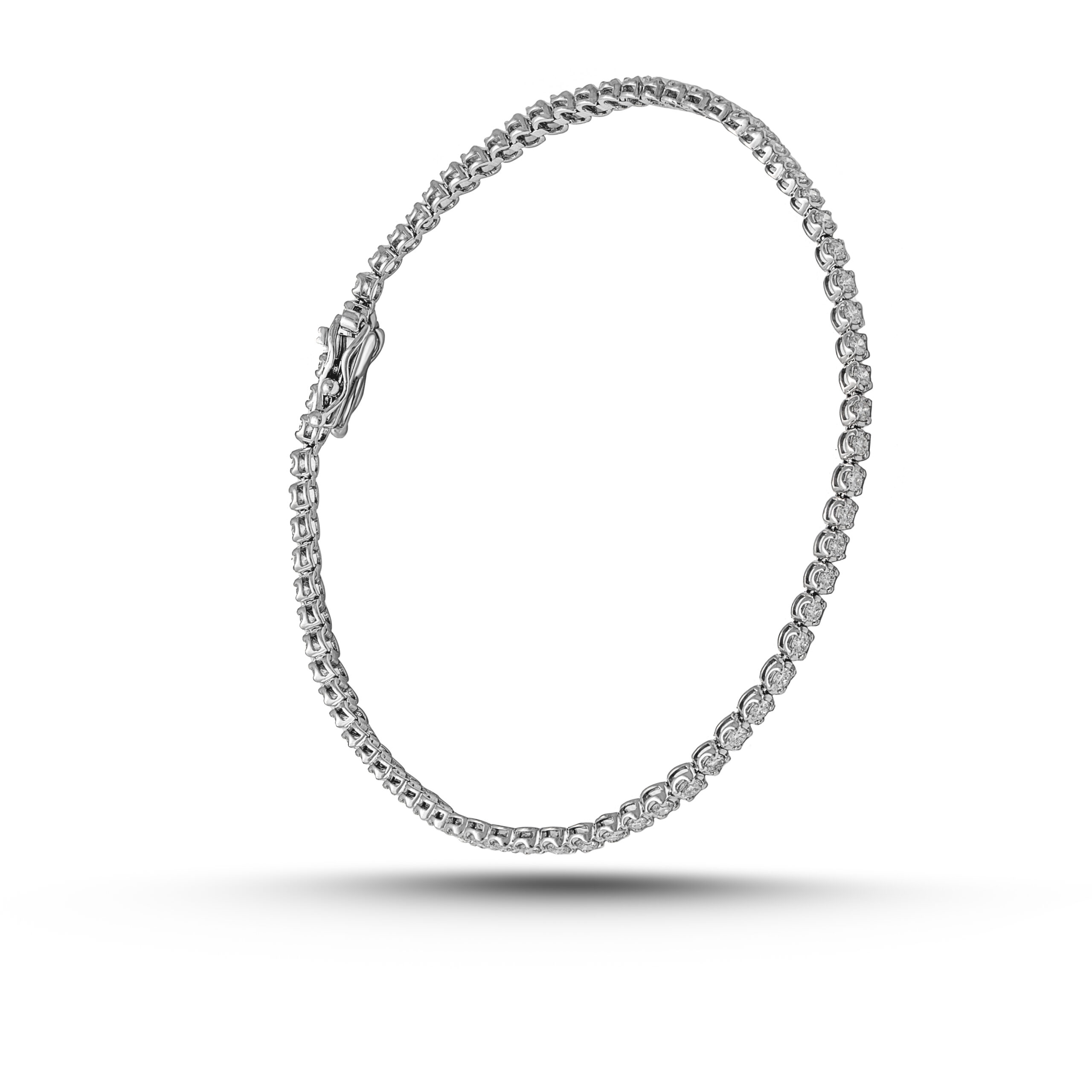
The trick that separates amateur from professional jewellery images isn’t an expensive camera — it’s the size of the light relative to the piece. A huge diffused source wrapped close around a tiny ring turns every polished surface into a smooth white-to-grey gradient, which the eye reads as “expensive.” A bare ceiling light or ring light does the opposite: hard hotspots, black smears, and gold that photographs green-brown. Add a polariser for stones, black cards to carve edge definition into silver, and you have ninety percent of the craft. It’s fiddly, repeatable work — exactly the kind that rewards a specialist doing it weekly over an owner doing it quarterly.
E-commerce standards: consistency sells the range
One beautiful photo sells one piece; a consistent range sells the store. Buyers scroll collections, and mismatched backgrounds, angles and colour temperature quietly read as “market stall,” not “jeweller.” Lock a standard — same background tone, same hero angle, same crop ratio, colour-managed so rose gold never drifts pink-orange between listings — and apply it to everything. This is also where professional shoots earn their keep economically: a batched session photographs an entire collection to one standard in a day, which is the logic behind our commercial photography packages for jewellery clients.
Sparkle is movement: where video takes over
A diamond’s entire job is to move light, and a still photograph can only freeze one instant of it. Three seconds of slow rotation under the same controlled lighting shows fire and scintillation no image can — which is why short macro video clips have become the highest-performing jewellery content on product pages and reels alike. The good news: video and stills share the same setup, so adding macro video to a photo session costs a fraction of a separate shoot. If you post to Instagram at all, those three-second clips are the backbone of a jewellery content calendar.
What you can DIY — and what you shouldn’t
Honest split: phone photos are fine — good, even — for stories, behind-the-bench process shots and “just landed” teasers, where rawness reads as authenticity. They are not fine for product pages, campaign heroes or anything a customer zooms into before spending four figures. The zoom is the moment of truth: phone images fall apart exactly where the buying decision happens. Run the hybrid: DIY the daily, batch the range professionally twice a year, and never let a hero piece launch on a counter snapshot.
Planning a collection shoot or a store refresh? Book a free consultation or call 07 2142 4335 — see our jewellery marketing page for how sessions work.
Colour truth: the return-rate problem nobody blames on photos
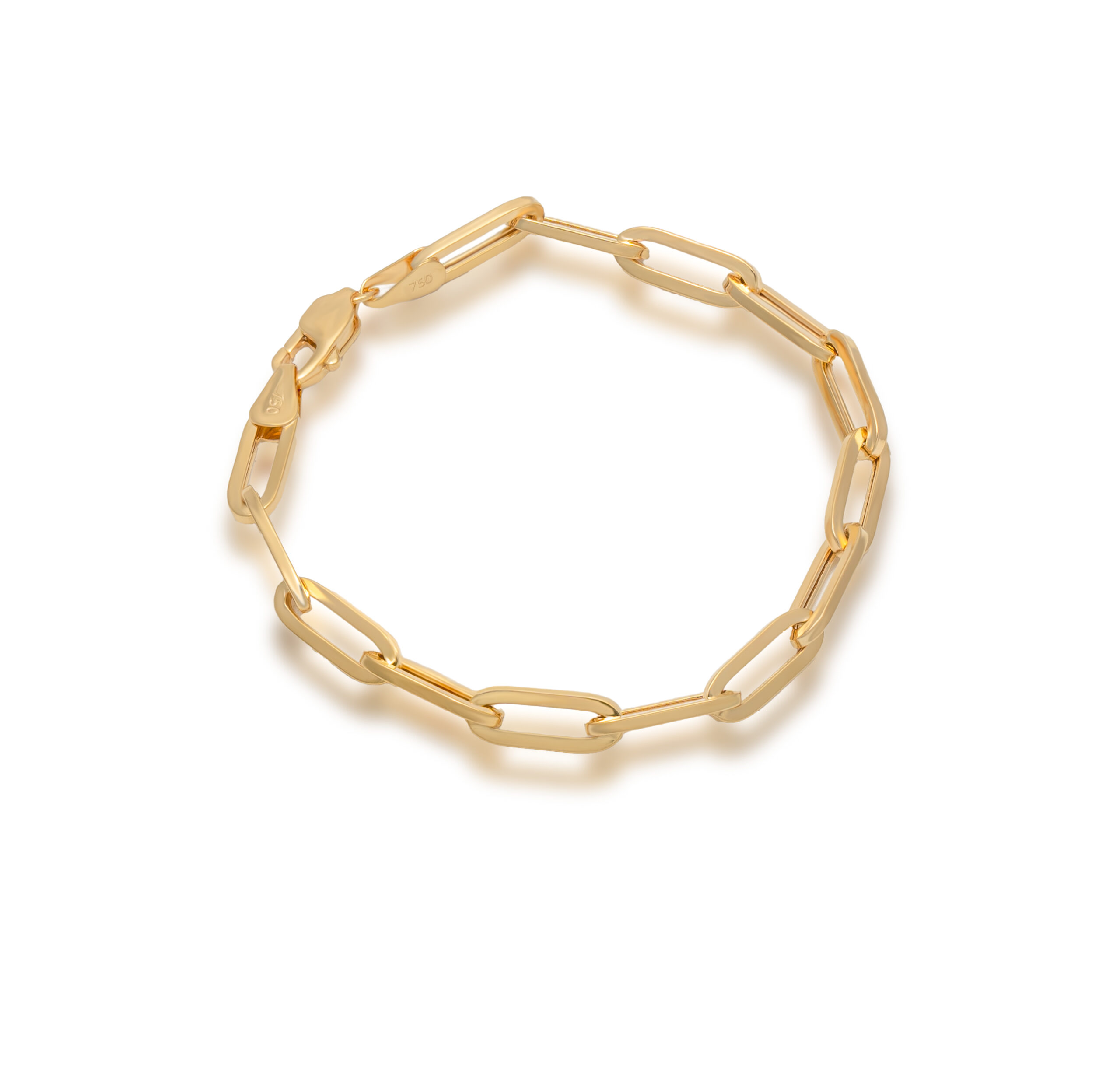
Ask any jeweller about returns and you’ll hear the same phrases: “it looked more yellow online,” “the stone seemed bluer.” Those aren’t picky customers — they’re colour-management failures. Metals are brutally unforgiving: rose gold drifts orange under warm light, white gold goes grey-blue under cool light, and an uncalibrated screen-to-camera pipeline means the customer genuinely did buy a different-looking ring. Professional sessions shoot against colour references and grade on calibrated displays precisely so the parcel matches the pixels. If your returns mention colour even occasionally, the photography — not the product — is usually the leak.
Timing your shoots: the two sessions that cover the year
Jewellery demand is seasonal in a way most retailers underuse. A mid-year session photographs the core range to the e-commerce standard and banks styled content for the quiet months; a September session captures the Christmas and engagement-season pieces early enough that campaigns, ads and gift guides launch in October instead of scrambling in December. Two batched days a year, planned this way, cost less than ad-hoc shoots and mean you’re never marketing this season’s pieces with last season’s photos — a pattern customers notice faster than owners expect.
← Explore all our Brisbane marketing guides
Want this handled for you? See our jewellery photography & video in Brisbane — from $140.
Frequently asked questions
What makes jewellery photography different from other product photography?
Scale and reflections. Pieces are tiny, so macro lenses and precise focus stacking are needed to hold detail across a ring — and every polished surface mirrors the room, so lighting has to be shaped so the metal reflects clean gradients instead of the photographer and the window.
Do I need white-background photos or lifestyle shots?
Both, for different jobs. Clean white or neutral backgrounds carry the product page and marketplace listings; styled and on-model shots carry Instagram and campaigns, because they show scale and how the piece wears. A good session delivers the pair from one setup day.
How many photos does each piece need for e-commerce?
Four to six: a hero angle, a top-down, a macro detail of the setting or hallmark, an on-model or scale shot, and one styled scene. Consistency across the range matters more than any single frame — the grid should look like one shop, not six.
Is video worth it for jewellery?
More than for almost any other product — sparkle is movement, and a still can only hint at it. A three-second rotating macro clip on the product page and in reels routinely outperforms static images for engagement.